Stocks Fall as China Sinks; Japanese Bonds Swing: Markets Wrap
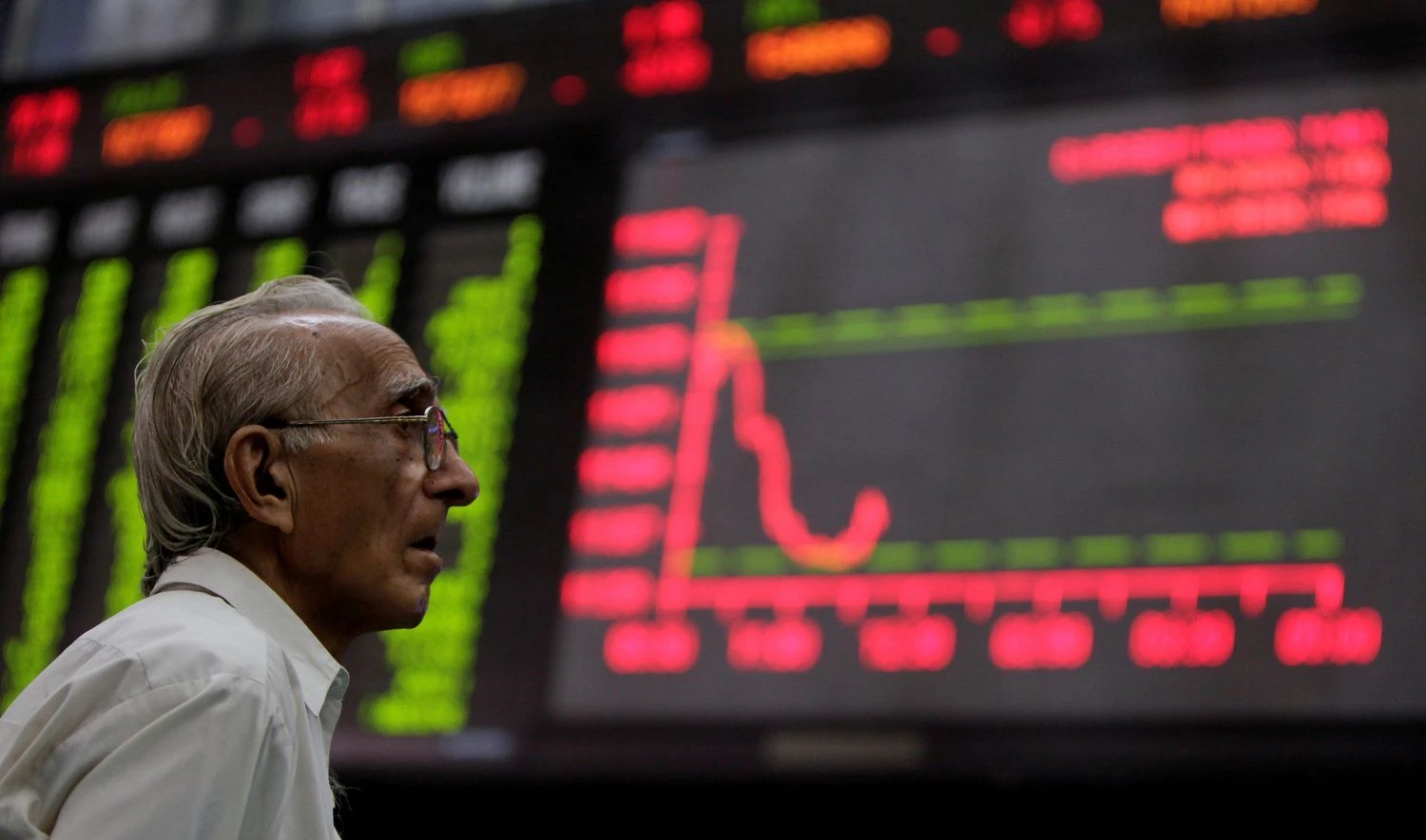
China and Hong Kong equity indexes led losses across the region with declines of more than 3 percent, while emerging-market currencies fell with developing nation stocks. Ten-year JGB yields touched 0.145 percent, the highest since February 2017, before paring gains as the Bank of Japan made an unscheduled offer to buy bonds. Treasury yields fell after reaching 3 percent this week for the first time since June as the Federal Reserve unanimously decided to leave rates unchanged while making it clear borrowing costs are headed higher. The offshore yuan edged lower.
Higher U.S. tariffs on Chinese goods look increasingly likely. President Trump asked the U.S. Trade Representative to consider increasing proposed levies on $200 billion in imports to 25 percent from 10 percent, which could be implemented as soon as next month. The move comes just as Washington and Beijing are exploring ways to get back to the negotiating table.
“Markets are now wary of the next step in the trade war between the U.S. and China,” Nick Twidale, chief operating officer at Rakuten Securities Australia, said in a note. “With the U.S. threatening to increase tariffs to 25 percent from 10 percent and the Chinese vowing not to react to ‘blackmail’ to get them back to the negotiating table, this could be the catalyst that tips sentiment and some markets into a tailspin especially as we enter the lower liquidity holiday trading season.”
With the Bank of Japan and Fed now out of the way, focus turns to the Bank of England. Later Thursday, the central bank is expected to raise its key rate by 25 basis points to 0.75 percent, with Bloomberg Economics projecting an 8-1 vote.
Elsewhere, oil steadied around a two-week low after a surprise gain in U.S. crude inventories exacerbated supply concerns. Turkey’s lira hit a record low as the U.S. imposed sanctions on its NATO ally over the imprisonment of an American pastor.
Malaysian trading was disrupted due to a technical problem. Read more on that here.
Here are some events to watch out for during the remainder of this week:
Earnings season continues with Berkshire Hathaway, Barclays, Toyota and BMW among companies reporting results. The U.S. jobs report is on Friday, and is predicted to show a healthy labor market, with 190,000 new jobs.These are the main moves in markets:
Stocks
Japan’s Topix index fell 1 percent as of 2:35 p.m. in Tokyo. Hong Kong’s Hang Seng Index tumbled 2.7 percent. Shanghai Composite Index lost 3.1 percent. Australia’s S&P/ASX 200 Index declined 0.4 percent. The S&P 500 Index futures slipped 0.2 percent.
Currencies
The yen added 0.1 percent to 111.59 per dollar. The offshore yuan slipped 0.1 percent to 6.8334 per dollar. The euro bought $1.1650. The British pound slid 0.2 percent to $1.3102 prior to the BOE decision. The Bloomberg Dollar Spot Index was flat.
Bonds
The yield on 10-year Treasuries slid two basis point to 2.99 percent. Japan’s 10-year yield was at 0.12 percent, erasing its earlier gain. Australia’s 10-year bond yield jumped almost four basis points to 2.73 percent.
Commodities
West Texas Intermediate crude added 0.1 percent to $67.74 a barrel after sliding 1.6 percent. Gold was up 0.2 percent to $1,218.87 an ounce. Copper fell 0.6 percent to $6,136.50 a ton, adding to a 2 percent tumble Wednesday.