Asia Stocks Mixed on New Tariffs; Dollar Steady: Markets Wrap
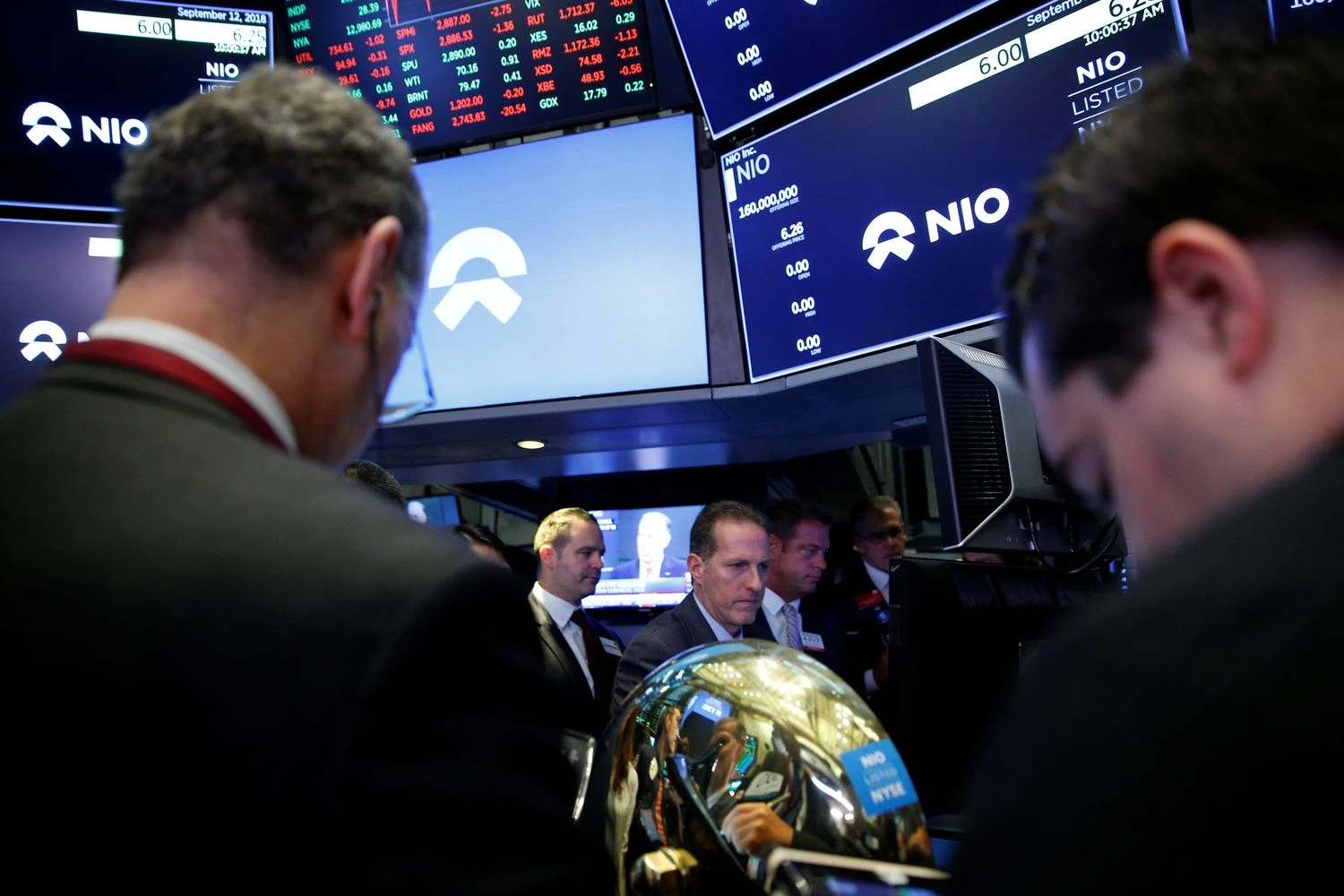
Japan’s equity benchmarks outperformed, with the Topix index on course for its best day since March, while Chinese stocks consolidated around four-year lows and Hong Kong shares dropped for a second day. The largest exchange-traded fund that tracks the S&P 500 Index retreated after hours following President Donald Trump’s announcement that a fresh $200 billion in Chinese goods are subject to levies of 10 percent, rising to 25 percent in 2019.
U.S. stocks ended the regular session down the most in a month, with technology companies leading decliners, as investors braced for Trump’s move. Beijing has already said it will retaliate.
Prospects for a protracted trade dispute between the U.S. and China is set to dominate sentiment Tuesday after a shaky start to the week. China’s top economic adviser is set to convene a meeting in Beijing on Tuesday morning to discuss the government’s response, according to a person briefed on the matter. Meanwhile, investors are forking out cash for tail-risk protection amid concerns about stretched valuations in technology stocks and the trade ructions.
Read here on why the Asian markets are more sanguine about the latest tariffs.
“There is certainly a degree of anxiety after the equity markets did very well last week,” David Ader, chief macro strategist at Informa Financial Intelligence, said on Bloomberg TV. “This sort of choppy volatility is going to be with us for a few weeks. I don’t think we are trying to make a directional play. I do not believe that the stock market will prove that much resilient, at least in the next few weeks.”
Elsewhere, the Australian dollar shrugged off trade concerns to erase earlier losses after the central bank reaffirmed its next interest-rate move would likely be up, while warning on risks from U.S.-China trade tensions. Oil wavered as international supply concerns were overshadowed by a looming demand drop. Base metals including copper maintained declines as the looming trade conflict spurred concerns about demand.
Here are some key events coming up this week:
South Korean President Moon Jae-in visits Pyongyang for a summit with Kim Jong Un Tuesday. Japanese trade-flow numbers are due on Wednesday. The Bank of Japan holds its policy meeting on Wednesday. Britain releases inflation data on Wednesday European PMIs are due on Thursday The Organization of Petroleum Exporting Countries and its allies meet in Algiers this weekend.
These are the main moves in markets:
Stocks
Japan’s Topix index rose 1.9 percent as of 2:08 p.m. in Tokyo. Markets were closed Monday for a holiday. Australia’s S&P/ASX 200 Index fell 0.5 percent. Hong Kong’s Hang Seng Index declined 0.8 percent. Shanghai Composite Index was little changed. S&P 500 futures dropped 0.1 percent. The S&P 500 Index fell 0.6 percent Monday.
Currencies
The Japanese yen dipped 0.1 percent to 112 per dollar. The offshore yuan was stable at 6.8689 per dollar. The Bloomberg Dollar Spot Index was little changed. The euro traded at $1.169.
Bonds
The yield on 10-year Treasuries was flat at 2.99 percent. Australia’s 10-year bond yield rose about three basis points to 2.66 percent. The three-year note yields gained four basis points to 2.07 percent.
Commodities
West Texas Intermediate crude fell 0.5 percent to $68.58 a barrel. Gold fell 0.3 percent to $1,198.32 an ounce. LME copper pared declines to trade a $5,938 a metric ton.